
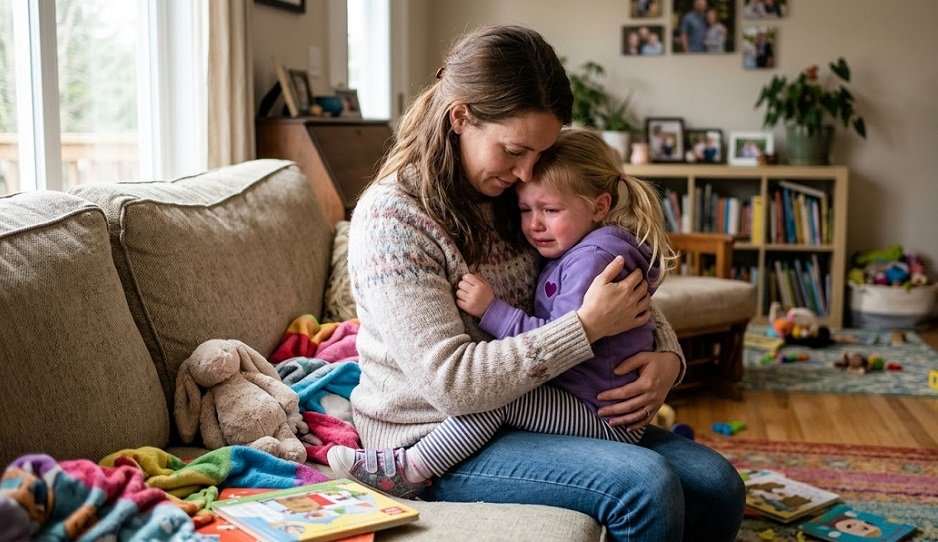
I remember one afternoon when my youngest daughter, Emily, was barely four, she stomped her little feet, flung her arms wide, and screamed because she didn’t want to leave the playground. I was exhausted, my coffee had gone cold in my hand, and all I wanted was five minutes of peace. Yet, in that moment, I realized something: she wasn’t just “acting out.” She was feeling something enormous, and she had no words to express it.
If I could go back and tell my younger self one thing, it would be this: big feelings are not mistakes—they’re signals. They’re your child’s way of saying, “Help me understand myself.” And as a parent, it’s our job to meet those feelings with understanding, not just consequences.
Over the years, raising two daughters and a son through preschool, elementary school, and now into adulthood, I’ve learned that how we respond to big feelings at this age can set the stage for lifelong emotional intelligence. Let’s talk about why, and then get practical about how to help your preschooler navigate the stormy seas of their emotions.
Why Preschoolers Struggle With Big Feelings
Preschoolers are small humans with enormous hearts and brains that are still under construction. Around ages 3–5, they’re developing:
- Language Skills: They can speak in sentences, but often not enough to describe complex feelings. “I’m mad” is easy; “I feel frustrated because my tower fell and I can’t rebuild it yet” is a lot harder.
- Self-Regulation: Their prefrontal cortex, the part of the brain that controls impulse and decision-making, is still very immature. They feel intensely, but can’t always manage those feelings.
- Perspective-Taking: At this age, empathy is budding, but they usually live in a world of I want now. Understanding that your sadness isn’t just about them is tricky for them to grasp.
In short, your preschooler is like a tiny emotional sponge—they feel deeply, quickly, and often without the words to communicate it. When we adults rush in with “Don’t cry” or “Calm down,” it can feel dismissive. It’s not because we’re mean—it’s because our brains have mastered self-control, and theirs hasn’t.
Understanding this can transform your reaction from frustration to patience. And trust me: patience pays off.
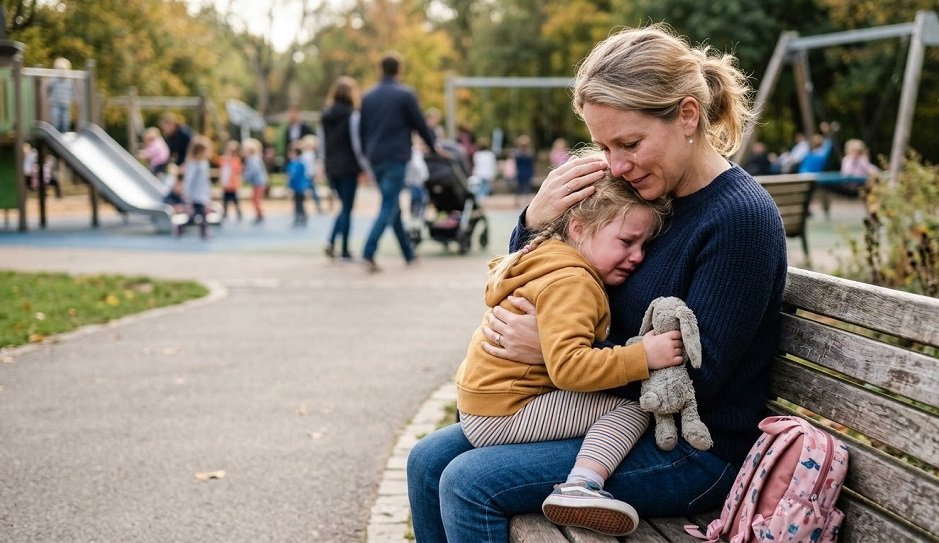
How-To: Gentle Ways to Explain Big Feelings
Over two decades, I’ve tried a lot of strategies, some successful, some less so. Here are the approaches that worked consistently with my kids—sometimes the very next day, sometimes over months—but always in ways that built understanding, not fear.
1. Name It to Tame It
One of the first lessons I learned was the magic of words. If a child can name a feeling, it suddenly becomes less frightening.
What to do:
- Watch your child and put words to their feelings:
- “I see you’re really frustrated that the puzzle isn’t fitting.”
- “It looks like you’re sad that we have to leave the playground.”
- Repeat it back gently, not as a question but as acknowledgment.
- Offer simple options for expressing it: “Do you want a hug or some quiet time?”
I remember my son, Max, at age four, throwing a tantrum because he couldn’t tie his shoes. I knelt down, got eye level, and said, “I see you’re mad. Tying shoes is tricky, isn’t it?” Suddenly, he stopped yelling long enough to nod. Naming it didn’t erase the frustration—but it made him feel seen.
2. Use Books and Stories
Stories are magical tools. Preschoolers can see themselves in characters, which makes complex emotions relatable. I always kept a small collection of picture books about feelings in our reading corner.
Try these strategies:
- Choose books with characters who experience frustration, sadness, or jealousy.
- Pause while reading and ask, “How do you think she feels?”
- Share your own experiences, age-appropriately: “I felt nervous when I had to speak in front of my class, too!”
I remember reading The Color Monster with my daughter Emily. She pointed to the angry color and whispered, “That’s me!” Books give children a mirror for their feelings. They help normalize emotions, turning abstract experiences into something concrete.
3. Model Your Own Emotions
Kids don’t just learn from what we say—they watch what we do. If you hide or ignore your feelings, they learn to do the same.
Gentle ways to model emotional expression:
- Narrate your feelings aloud: “I’m feeling a little tired and grumpy. I’m going to sit for a minute.”
- Use coping strategies openly: “I’m frustrated, so I’m taking three deep breaths.”
- Apologize when your emotions get the better of you: “I raised my voice just now, and I’m sorry.”
I’ve found that this teaches more than any lecture. When my children saw me calmly handling disappointment or irritation, they began to mimic that behavior, even in small ways. It’s not perfection—it’s demonstration.
4. Offer Physical Outlets
Preschoolers often feel emotions in their bodies before their minds catch up. They may not be able to say “I’m anxious,” but they can clench fists, stomp, or run. Acknowledging this is critical.
Action steps:
- Create a safe “big feelings zone” in your home: a soft mat, a stuffed animal, maybe a small pillow to punch.
- Encourage movement: stomping, jumping, dancing, or shaking out tension.
- Teach calming exercises: gentle stretches, blowing bubbles, or even “blowing the anger out” like wind.
I remember Max after a long day at preschool. He’d climb onto the couch and stomp his feet while yelling “I hate this!” Instead of saying, “Stop it,” I gave him a pillow and said, “Let’s punch the pillow together.” Within minutes, he was calmer and could tell me what was wrong.
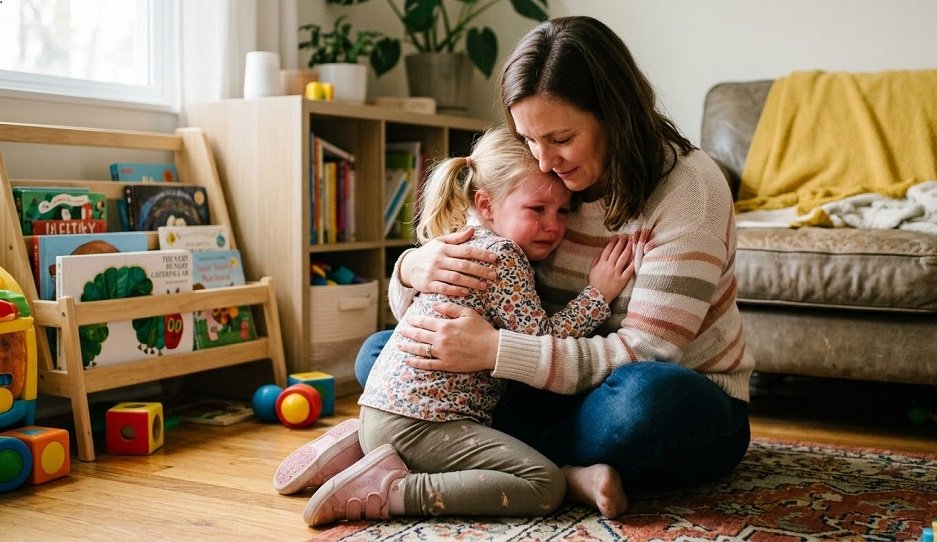
5. Turn Emotions Into a Game
Sometimes humor and playfulness can bridge the gap between overwhelming feelings and comprehension. You’re showing your child that feelings are natural—and manageable.
Fun ideas:
- Emotion charades: Take turns acting out feelings and guessing them.
- Feelings flashcards: Match facial expressions to words like happy, mad, or scared.
- Creative outlets: Draw the “mad monster” or paint the “sad cloud.”
One rainy afternoon, Emily and I drew a “Jealous Lion” and a “Sad Puppy.” She laughed and then said, “I feel like the Sad Puppy when my friend takes my toy.” We connected through art—and through feelings.
6. Keep Conversations Short and Gentle
Preschoolers’ attention spans are brief, and big feelings can make it even harder to listen. Avoid lengthy lectures. Small, repeated lessons work best.
Tips for success:
- Use short sentences and repeat often.
- Validate first, problem-solve second: “I know you’re upset. Let’s figure this out together.”
- End on a reassuring note: “Feelings come and go. You’re safe here.”
When I tried reasoning endlessly with Max at four, he just cried harder. Now, a few words, a hug, or a brief reflection works far better.
The Long View: It Gets Easier
Here’s the comforting truth: preschool years feel intense, exhausting, and sometimes hopeless—but they are just a small chapter in a much longer story. My three children, now in their 20s, often tell me how much they remember those moments—not the tantrums themselves, but how I responded to them.
- My daughter Emily credits our “feelings corner” for teaching her self-regulation.
- Emily still uses the phrase “Name it to tame it” when navigating frustration at work.
- Max, now a calm and reflective young man, laughs about stomping his feet over shoes but says he learned to communicate what he felt, not just what he wanted.
If you feel like you’re failing—or that you “should” be beyond these struggles—remember this: parenting is a marathon. Not a sprint. Every moment you pause, name a feeling, offer a hug, or model your own emotions is an investment in their lifelong emotional intelligence.
Final Thoughts
Explaining big feelings to preschoolers isn’t about fixing them or making tantrums disappear. It’s about showing up, patiently and consistently, and teaching them that every emotion—happy, sad, angry, scared—is valid and manageable.
Remember:
- Validate feelings first. They are real.
- Offer words and tools. Help them describe and express.
- Model calm and resilience. They watch you more than you realize.
- Keep it playful and gentle. Emotions aren’t punishments—they’re lessons.
If I could give one piece of advice to every parent reading this: you are not failing. You are learning, just like your child. And someday, those little hands that once stomped and flailed will be the ones you can trust to handle life with empathy and self-awareness—because you took the time to meet them in their big feelings.