
The summer before Leo turned twelve, I made the rookie mistake of thinking he’d “naturally” put down his tablet once the weather got nice. He didn’t. He sat on the back porch in glorious June sunshine, headphones on, neck bent at a forty-five degree angle, watching YouTube videos about other kids playing outside. I wish I were making that up.
If you’ve been there — staring at your child through a window while birds sing and bikes sit untouched in the garage — you don’t need a lecture. You need a plan. A real one. The kind that doesn’t just confiscate the phone and leave everyone staring at each other in miserable silence.
That’s exactly what this list is. Fifteen screen-free summer bucket list ideas pulled straight from the era when kids disappeared after breakfast and came home when the street lights clicked on. The 90s weren’t perfect, but we knew how to fill a summer. Let me show you how we brought that back — and how you can, too.
Why a No-Phone Summer Bucket List Actually Works (When Rules Alone Don’t)
Here’s what I’ve found after raising three kids: banning screens without replacing them with something compelling is a total waste of time, even if it looks like the easier option. Kids don’t naturally fill a void with imagination — they fill it with resistance and negotiation.
A bucket list changes the dynamic. Suddenly, instead of “no phones,” the message is “yes to this.” That’s a completely different conversation.
Print it out. Hang it on the fridge. Let your kids help add to it. When Sarah was twelve, she added “make friendship bracelets for every girl on the street” to our summer list, and it turned into a weekly ritual that lasted three summers. The ownership matters.
The 15 No-Phone Summer Bucket List Ideas
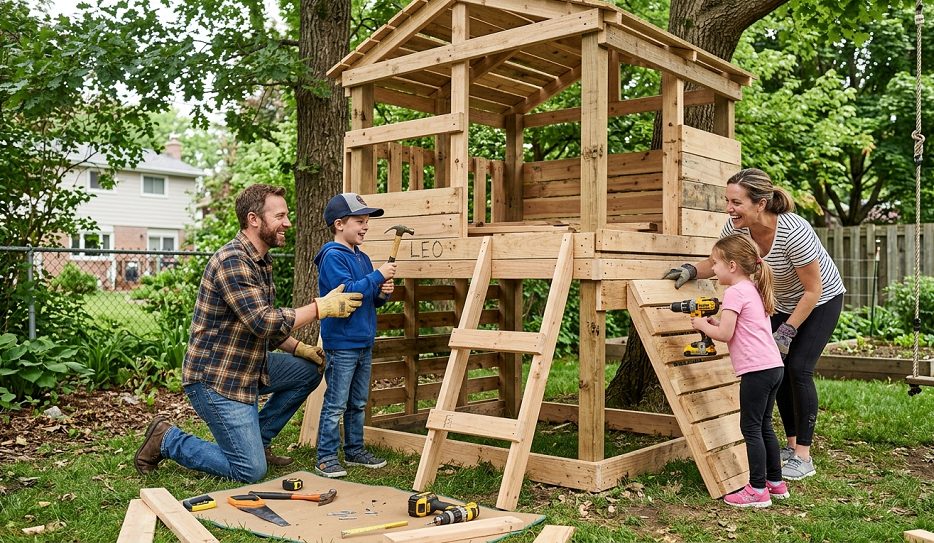
1. Build a Backyard Fort or Blanket Castle
This one sounds basic. It is basic. It’s also magic every single time.
Blanket forts were the original metaverse. Every kid from the 90s has a fort memory — the specific combination of dining room chairs, couch cushions, and the good clips from the chip bag drawer. There was something about being inside a thing you built with your own hands that no screen has ever replicated.
Set the kids loose with every blanket in the house, some binder clips, and zero instructions. Resist the urge to help unless they ask. This is a messy, wonderful process that works best when adults back off and let the creative chaos breathe.
For older kids, upgrade it: camping tents in the backyard, string lights from the dollar store, a “no-adults” policy after 8pm with a walkie-talkie check-in. Leo did this at thirteen and called it his “off-grid headquarters.” He slept out there four nights in a row.
The fort-building itself might take an entire afternoon. Good. That’s entirely the point. Unstructured, hands-on building time is one of the most genuinely valuable things a child can experience — and it costs almost nothing.
2. Start a Neighborhood Lemonade Stand (With a Real Business Plan)
Every 90s kid ran a lemonade stand. Most of us made about $2.75, drank most of our own product, and called it a success. It absolutely was.
But here’s what I’ve discovered the hard way: the lemonade stand hits different when you treat it like a tiny real business. Help your child write out a supply list, calculate their costs, set a price, and keep track of earnings in a little notebook. Maya did this at age nine and came home with $18 profit and a lesson in economics that no worksheet could have taught.
This works best as a multi-day event. Day one is planning and sign-making — yes, with actual markers and poster board, not Canva. Day two is setup and selling. Day three is counting profits and deciding what to do with the money.
The sign-making alone will eat up a happy hour. Let them be creative, let them make spelling mistakes on the signs, and let the neighborhood chuckle — in the kindest way — at “Lemmonade 50 scents.” That’s the whole point.
3. Learn to Ride a Bike — or Upgrade to Tricks
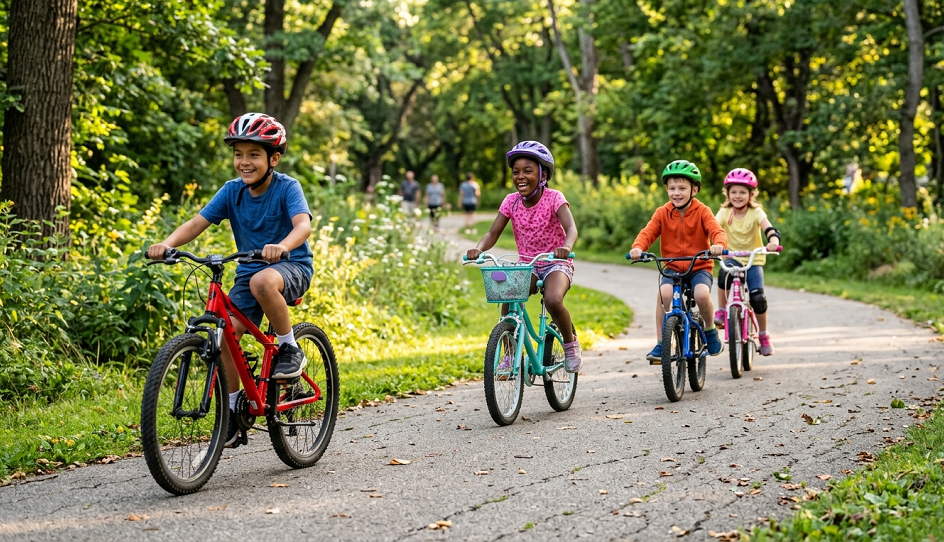
If your kid can already ride, this summer is the summer of the next challenge. We’re talking no-hands, figure eights in the driveway, or if you’re brave, a trip to the skate park to attempt something new.
If they can’t ride yet, now is the time. I’ve never once met a grown adult who wished their parents had waited longer to teach them. Pull the training wheels off, find a gentle slope on a quiet street, and commit a whole weekend morning to it. It takes longer than you think, it involves some tears (sometimes yours), and it is one of the most triumphant parenting moments you will ever experience.
The 90s made bike-riding a social currency. Kids who could ride had access to the whole neighborhood. Recreate that this summer. Set a “bike only” rule for any errand within half a mile — the corner store, a friend’s house, the park. That routine builds independence in a way that almost nothing else does.
For families with older kids who are already strong riders: plan a real bike route. Google Maps has a cycling option. Let your twelve-year-old plan a five-mile loop, pack their own snack, and ride it with a buddy. That’s a full afternoon, a real accomplishment, and a story they’ll tell.
4. Host a Backyard Olympics
The summer Sarah turned ten, I invented the Backyard Olympics on a particularly desperate Tuesday afternoon, and it became the single most-requested activity for the next four summers. I’m telling you — this one has staying power.
You’ll need: a stopwatch (or a phone timer used only for this purpose — boundaries, people), some basic supplies, and a few neighborhood kids. Events can include a three-legged race, hula hoop contest, water balloon toss, backwards running race, obstacle course, and the legendary “egg and spoon” that inevitably ends with egg on someone’s shirt.
Make it official. Create a medals ceremony out of construction paper medals. Play a national anthem — we used recorder music, which was objectively terrible and absolutely perfect. Hand out “gold,” “silver,” and “bronze” for each event.
What I love about this one is that it scales beautifully. You can do it with just your two kids on a slow Wednesday, or you can invite the whole block and turn it into a neighborhood event. Either way, by the end of the afternoon, kids are tired, sweaty, laughing, and have absolutely no interest in a screen.
5. Plant a Small Garden (And Actually Tend It All Summer)
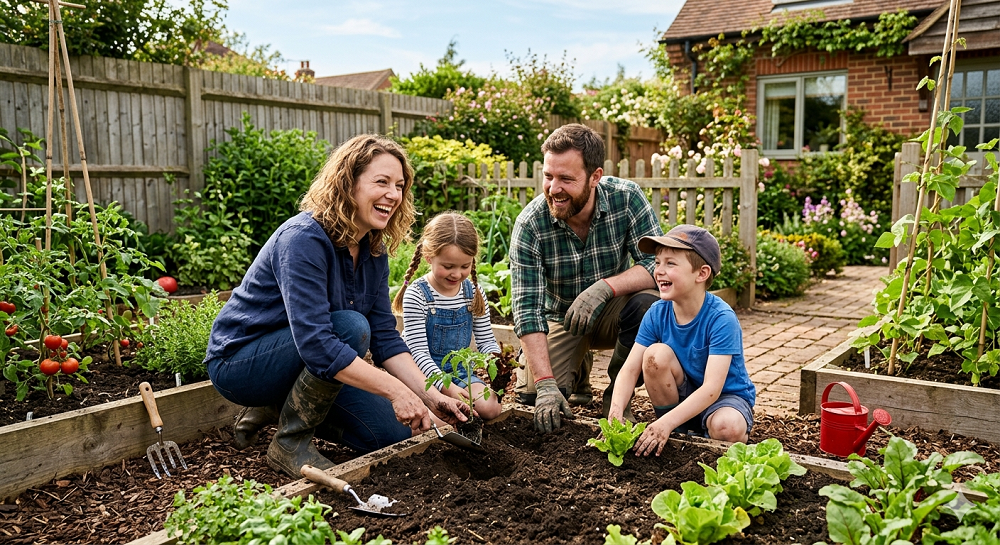
This is the long game, and I’m a big believer in it.
Start small. A single raised bed, a few pots on the porch, or even a windowsill herb garden is enough. Let your child choose what to grow — if they want to grow only pumpkins and strawberries, let them grow only pumpkins and strawberries. The ownership is what drives the investment.
The real magic isn’t the planting day. It’s the quiet Tuesday morning three weeks later when your child walks outside, checks their plants before breakfast, and comes running in to announce that the tomatoes have flowers. That moment of noticing, of caring about something living, is worth more than I can put into words.
Gardening teaches patience, responsibility, and the basic miracle that a tiny seed becomes food. In the 90s, a lot of us learned this because a grandparent insisted. Be that person for your kid.
Track it in a garden journal — another screen-free win. Date each entry, sketch the plants, measure growth. By the end of summer, you’ll have both a harvest and a document of the whole beautiful process.
6. Run a Full Read-a-Thon: The Summer Reading Challenge
Before you roll your eyes — this is not the library’s read-a-thon where kids log minutes for a coupon to Pizza Hut. This is something better.
Create your own family reading challenge with a physical tracking chart on the fridge. Pick a mix of genres: one funny book, one adventure, one book set in a different country, one book that was published before your kid was born. The variety matters. It stretches them.
Build reading into the daily rhythm rather than treating it as a punishment or a chore. We had a “no-phone hour” after lunch for years — everyone read. Me included. Kids who see their parents read for pleasure are dramatically more likely to do it themselves. That’s not an opinion; it’s just what I’ve watched happen across three kids over twenty years.
Make the tracking chart visual. Stars, stickers, a paper chain where each link is a book — whatever gets them excited to see the progress. By the end of summer, when they can see seventeen paper chain links hanging in the kitchen, that’s a real sense of accomplishment they earned entirely without a screen.
7. Master One Classic Outdoor Game Every Week

Choose one game per week and really learn it. Not just dabble — actually get good at it.
Week one: jump rope, including double dutch if you’re ambitious. Week two: four square, with official rules. Week three: hopscotch with increasingly complicated layouts. Week four: jacks. Week five: marbles.
The 90s had an oral tradition of games that got passed kid-to-kid on playgrounds. A lot of kids today have genuinely never played four square, which breaks my heart a little. These games built social skills — negotiating rules, handling losing gracefully, including younger kids — that were never labeled as “skills” because everyone was just having fun.
YouTube actually helps here (a rare exception to screen-free summer). Let your kid watch one short tutorial on the rules, then put the phone down and go play. The screen serves the offline activity, which I think is a healthy use model. A five-minute video that sends them outside for three hours? I’ll take that trade every single time.
Quick side note: Don’t skip marbles just because they seem old-fashioned. My son Leo rediscovered marbles at a garage sale at age eleven and became genuinely obsessed for an entire summer. The tactile satisfaction of a perfectly aimed shooter marble is irreplaceable.
8. Do a Full-Day “No Screens, No Schedule” Free Roam Day
Once a week — or once every two weeks if that feels more realistic — declare a completely unstructured day. No activities planned, no outings scheduled, no suggestions from parents. Just: here is your day. Go.
The first one will be hard. I’m not going to pretend otherwise. There will be an hour or two of “I’m bored” that feels like a negotiation with a hostage-taker. Stay firm, stay warm, and do not fill the silence with a screen.
What happens after that first uncomfortable hour is the whole point. Kids begin to invent. They create games, they build things, they wander, they figure out social dynamics with siblings, they get into the art supplies, they drag out things that have been ignored for months. This is unstructured creative play, and it is genuinely one of the most developmentally important experiences you can give a child.
I’ve found that by the third or fourth free roam day of the summer, kids start waking up and immediately announcing what they plan to do today. That internal motivation — that sense that time is theirs to fill — is a gift that lasts well beyond summer.
9. Learn to Cook One Real Meal (From Scratch, No Shortcuts)
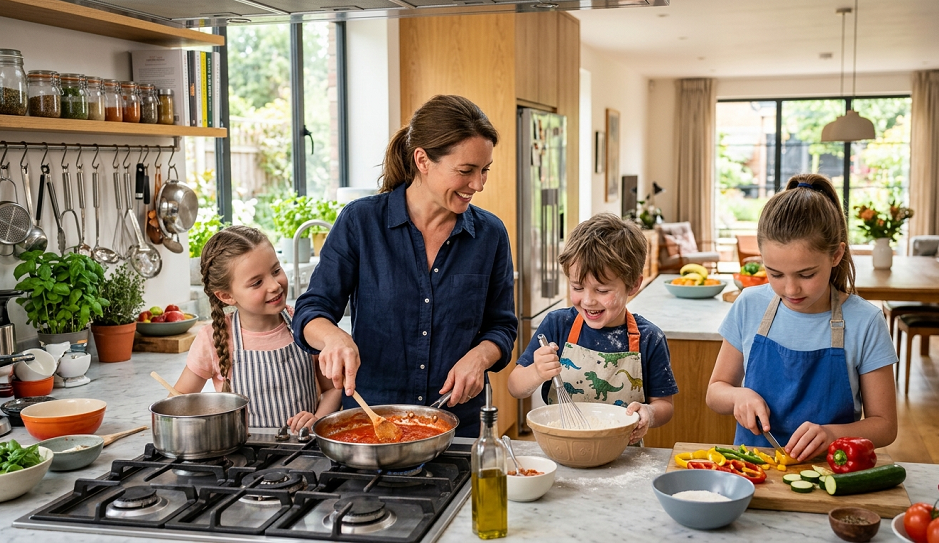
Each of my three kids learned to make one “signature” meal during the summer they turned ten. Sarah made her grandmother’s pasta sauce. Maya made tacos — from scratch, including the guacamole. Leo made pancakes so fluffy you’d cry.
The key is making it their recipe, not yours. Let them write it out in a recipe notebook in their own handwriting. Let them be in charge at the stove with supervision, not the other way around. The learning curve is part of the process.
Cooking from scratch means measuring, which is math. It means following sequential steps, which is executive function. It means adjusting to what’s actually happening — the onions are browning too fast, the batter is too thick — which is real-time problem solving. None of those skills show up on the box score, but they’re all in there, hiding inside a beautiful Saturday afternoon in the kitchen.
By the end of summer, they should be making that meal independently for the family at least once. There is something so genuinely powerful about a child who can feed people.
10. Create a Neighborhood Newspaper
This one is a total sleeper hit, and I cannot recommend it highly enough.
Give your child a composition notebook, a box of markers, and the assignment: report on the neighborhood. What’s happening on your street? Who got a new dog? What did the family down the road plant in their front garden? Is anyone running a lemonade stand? What are the kids in the neighborhood doing this summer?
They interview real people — yes, actual neighbors — they write up the stories, and then they hand-copy or (if you allow it) type and print a one-page “newspaper” to distribute to neighbors.
Maya did this for an entire summer at age eleven. She called it The Maple Street Monitor and published twelve issues. Neighbors looked forward to it. Old Mr. and Mrs. Patterson on the corner kept every single issue. When Maya graduated college, Mrs. Patterson sent her a card with one of those old issues folded inside and a note that said she’d never forgotten it. That’s not a phone memory. That’s a life memory.
11. Have a Backyard Campfire Night (S’mores Required, Obviously)
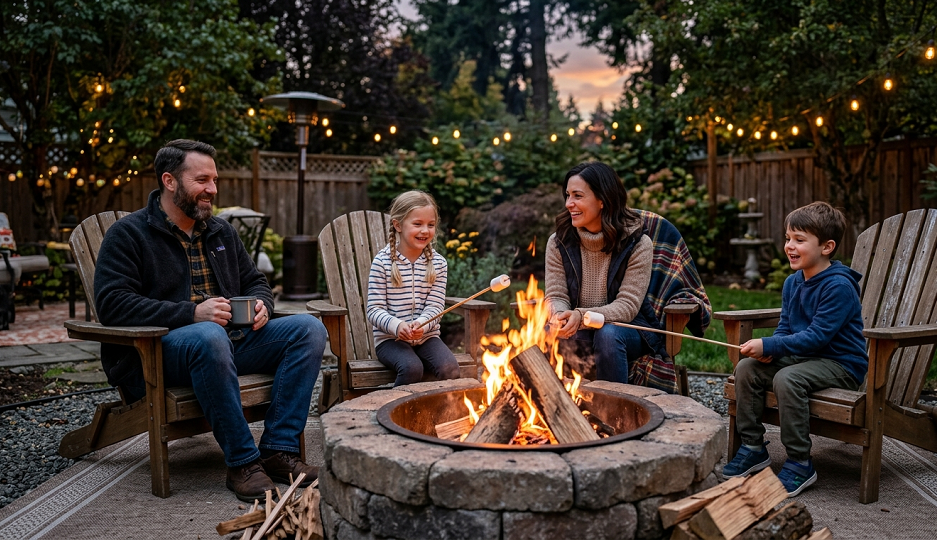
Even if you don’t have a fire pit, you can get a small, inexpensive one at most hardware stores. And if open fires aren’t an option where you live, a fire pit bowl on a patio works just as well.
The ritual matters more than the logistics. Gather after dark. Toast marshmallows. Tell stories — real ones, funny ones, made-up ones. Play “two truths and a lie.” Bring out the lawn chairs, maybe a guitar if anyone in your house is brave enough to play badly in public.
The 90s kid in me remembers that the best nights weren’t elaborate. They were low-lit and unhurried, with bugs in the air and nowhere to be. Recreate that for your kids.
This is also a beautiful opportunity to share family stories — the embarrassing ones, the funny ones, the ones about what you got up to at their age. Kids are desperate to know who their parents were before they were parents. A campfire after dark, away from screens and interruptions, is the right setting for that kind of sharing.
12. Build a Scrapbook of the Summer
This is the project that runs all summer long in the background, and it becomes more valuable every year.
Set up a dedicated box: a shoebox, a crate, a designated shelf. Every ticket stub, pressed flower, friendship bracelet, note from a neighbor, photo printed at the drugstore, leaf from the garden — it all goes in the box. At the end of summer, you spend an afternoon or two putting it all together in a physical scrapbook.
The difference between this and an Instagram grid is that your child can hold it, flip through it, write captions in their own handwriting, and add things you’d never think to photograph — the rock from the creek, the paper medal from Backyard Olympics, the wrapper from the particular popsicle they had on the best day of summer.
These scrapbooks become heirlooms. Sarah’s are sitting on a shelf in my office right now, and I’d save them in a house fire before I’d save most other things.
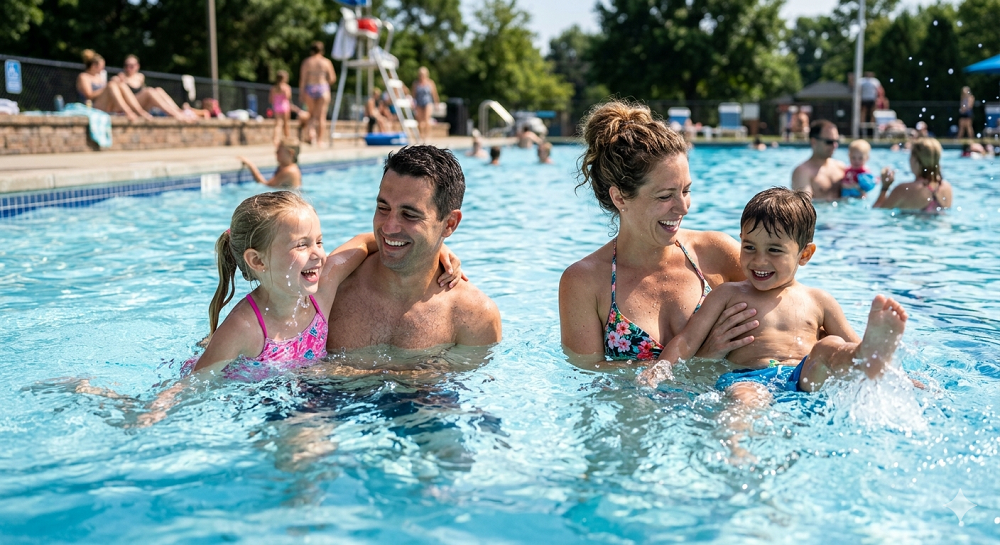
13. Learn to Swim — or Actually Practice
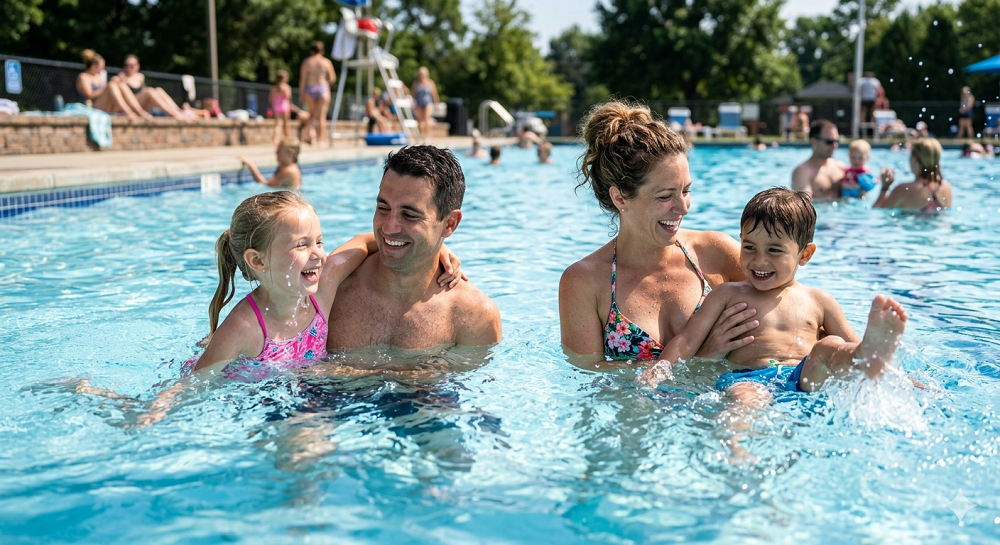
Swimming is a life skill, not a summer hobby. Every child who can access swimming instruction should learn, and every child who can already swim should be in the water regularly enough to build real comfort and confidence.
If your kids know the basics, this summer is the summer of laps. Set a simple goal: by end of August, swim the length of the pool without stopping. Track it. Celebrate milestones.
If you’re dealing with a child who is afraid of water, please be patient and don’t rush. Fear of water is real and valid. Gentle, consistent exposure — feet in, then knees, then waist — done over many visits without pressure, works far better than a single dramatic “just jump in” approach that I’ve seen backfire badly.
The pool or lake is also one of the few places where kids of all ages actually talk to each other. There’s something about being in the water together, without devices, that strips away self-consciousness and creates genuine connection.
14. Write and Perform a Backyard Play
Before you skip this one because your kids are “not dramatic” or “too old for that” — hear me out.
In the 90s, neighborhood plays were a whole summer project. Kids wrote scripts (loosely defined), assigned parts, made costumes out of whatever was in the dress-up box, built a “stage” on the back porch, and charged parents and neighbors a quarter to attend. The plays were famously terrible. They were also sometimes genuinely brilliant and always unforgettable.
This works best with a group, but it can absolutely work with siblings. Give them a prompt if they’re stuck: “a mystery set at the neighborhood pool,” “a cooking show where everything goes wrong,” “the story of a lost dog who travels the world.” Let them write it themselves, in pencil, in a notebook.
The performance is almost beside the point. The weeks of collaborative writing, arguing about the plot, figuring out the costumes, rehearsing the same scene eight times — that’s the whole gift. By the time parents and neighbors gather on the lawn with their quarter admission, those kids have spent a combined fifteen hours in deep, creative, screen-free collaboration.
15. Do One Act of Neighborhood Service Every Week
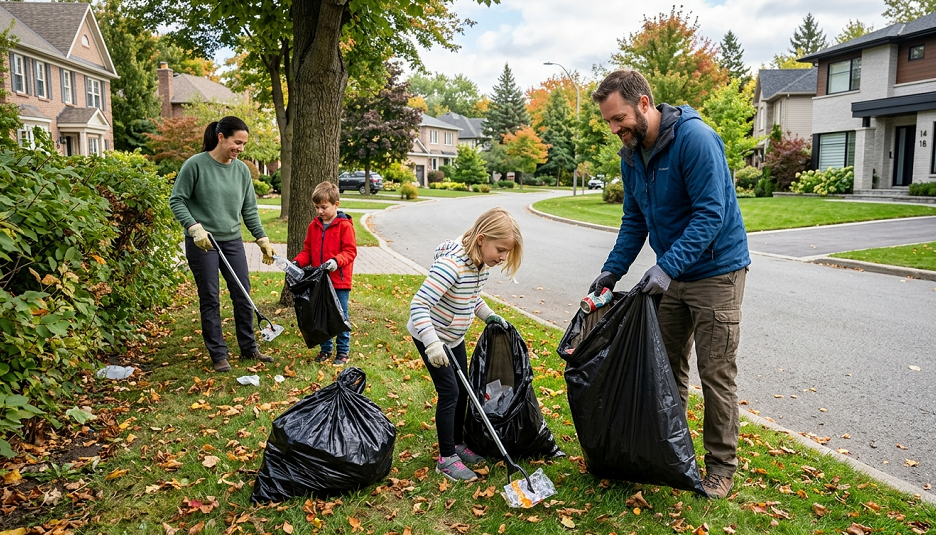
This is the one I’m most opinionated about, and it’s the one I think matters the most.
Once a week, your family does something for someone else. It doesn’t have to be big. It can be pulling weeds for the elderly neighbor on the corner, baking cookies for the family that just moved in, picking up trash in the park, or writing letters to grandparents and great-grandparents.
Service-oriented summers produce kids with perspective. It’s hard to be absorbed in a screen when you’re regularly orienting yourself toward other people’s needs. Sarah started mowing Mr. Patterson’s lawn at age twelve — unprompted, just because she noticed he was struggling. She didn’t stop for four years. He passed away the summer before she started college, and at his memorial, his family specifically mentioned her name. That’s what service builds: a child who sees beyond themselves.
Keep it light and low-pressure. This is not a guilt trip, and it’s not a chore chart. It’s a weekly question: who could use a little help this week? Let your child choose. Let them lead the effort. Watch who they become over the course of a summer.
The Real Talk: What Can Go Wrong — and What Isn’t Worth the Effort
Going screen-free for the whole summer — like, entirely — sounds noble, but I’ve found it’s a total waste of time if you try to enforce it as a hard rule without flexibility. What I’ve discovered the hard way is that “screen-free” works best as a default, not a prison. Some rainy afternoons, a movie is fine. Some evenings, a family game on a tablet is fine. The goal is to make screens the exception, not the reflex.
Also: don’t try to do all fifteen things. That’s a surefire way to burn out by the Fourth of July and have three kids who never want to hear about “bucket lists” again. Pick six or eight. Let the others be pleasant surprises if you get to them.
The thing that doesn’t work? Announcing “no phones this summer” with no plan, no alternatives, and no parental participation. You cannot hand kids a void and expect them to fill it joyfully. That’s not how children work, and it’s not how adults work either.
Expect resistance in the first week. It will come. Hold firm, offer alternatives, stay connected, and give it fourteen days. After two weeks of the new rhythm, you will see a genuine shift. Every. Single. Time.
Parting Wisdom
Here’s what raising Sarah, Maya, and Leo taught me about summer: the memories they carry into adulthood are almost never the ones that cost money or required planning. They’re the Tuesday afternoon the lemonade stand made twelve dollars. They’re the campfire where Leo told a ghost story so bad everyone cried laughing. They’re the summer Maya ran a newspaper that a neighbor kept for a decade.
Those memories live in the body. In the hands that learned to cook, in the legs that learned to swim, in the voice that rehearsed a backyard play seventeen times. Screens are a wonderful tool — but they are a terrible substitute for a summer that actually happens.
You’re not failing at parenting because your kids are attached to their phones. You’re just learning, in real time, how to offer something better. That’s the whole job.
Now I want to hear from you: which of these bucket list ideas are you most excited to try this summer? Have you found a screen-free activity that worked better than you expected? Drop it in the comments below — because the best ideas on this list didn’t come from me. They came from parents just like you, figuring it out one summer at a time.